
Dental Instrument in US | Professional Dental Tools
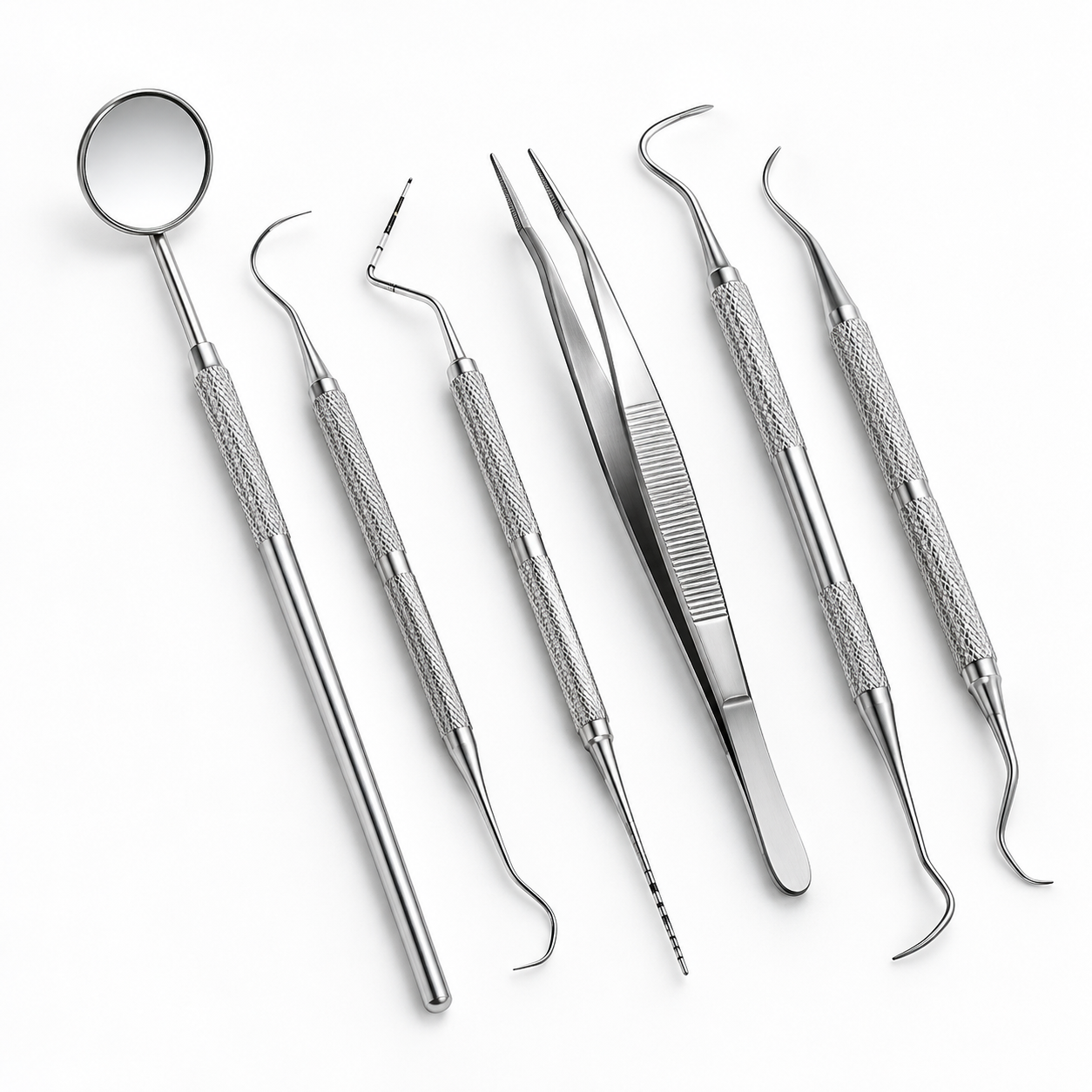
Dental Instruments That Support Everyday Dental Care Choosing the right Dental Instrument in US is an important part of running a dental practice. Dentists use different tools thr
Dental Instruments That Support Everyday Dental Care
Choosing the right Dental Instrument in US is an important part of running a dental practice. Dentists use different tools throughout the day, from checking a patient's teeth during a routine examination to cleaning plaque, repairing damaged teeth, and performing more complex procedures. Each instrument has a specific purpose, and having the right equipment available makes it easier for dental professionals to carry out their work with accuracy and control.
Dental instruments may look similar to someone unfamiliar with dentistry, but their shapes, sizes, and working ends are designed for different tasks. Understanding these differences helps dental clinics, dental supply buyers, and other professionals make better purchasing decisions.
Why Dental Instruments Matter in a Dental Practice
A dental appointment often involves several steps, and each step may require a different instrument. During an examination, a dentist needs tools that provide a clear view of the teeth and gums. During a cleaning, the instruments must be suitable for removing deposits. Restorative treatments require tools that help place and shape dental materials.
The condition of these instruments matters as well. A damaged or poorly maintained tool may be difficult to handle and may not perform as intended. For this reason, dental practices need to pay attention to instrument quality, maintenance, and suitability for the procedures they perform.
Having an organized selection of instruments also helps staff prepare treatment rooms efficiently. Instead of searching for missing tools during an appointment, the dental team can focus on patient care.
Common Dental Instruments and Their Uses
Diagnostic Instruments for Dental Examinations
Diagnostic instruments help dentists examine the mouth and identify potential oral health problems. Common examples include mouth mirrors, dental explorers, and periodontal probes.
A mouth mirror allows the dentist to see areas that are difficult to view directly. A dental explorer helps assess tooth surfaces, while a periodontal probe measures the spaces around the teeth to support gum health assessments.
These tools are used during routine checkups and can help dentists decide whether further examination or treatment is necessary. Their design allows professionals to inspect different areas of the mouth with greater visibility and control.
Instruments Used for Dental Cleaning
Dental cleaning instruments are designed to remove plaque and hardened deposits from tooth surfaces. Scalers and curettes are commonly used by dental professionals for these procedures.
Scalers have working ends suited to removing deposits from specific areas. Curettes are designed for periodontal cleaning and may be used to access areas below the gumline when appropriate.
Some practices also use ultrasonic scalers, which rely on vibration to help remove deposits. The choice of instrument depends on the treatment being performed, the patient's needs, and the professional's training.
Restorative Instruments for Repairing Teeth
Restorative dentistry focuses on repairing teeth affected by decay, damage, or wear. Instruments used during these procedures include excavators, filling instruments, condensers, and carving tools.
Different tools help with different stages of treatment. Some assist in removing affected tooth material, while others help dentists place, shape, and finish restorative materials.
The design of a restorative instrument can influence how comfortably and accurately a dentist works. Handle shape, working-end size, and material compatibility are all worth considering when selecting tools for a practice.
Extraction Instruments for Tooth Removal
When a tooth cannot be preserved, an extraction may be necessary. Dental elevators and extraction forceps are among the instruments used during these procedures.
Elevators help loosen a tooth or its root, while forceps are designed to grip and remove teeth. Different designs are available because teeth vary in shape, position, and root structure.
These instruments must be selected according to the clinical situation. Tooth removal requires appropriate professional training, careful assessment, and suitable infection prevention procedures.
Endodontic Instruments for Root Canal Treatment
Endodontic instruments are used to treat problems involving the dental pulp and root canal system. Root canal procedures may involve specialized files, reamers, measuring devices, and other supporting tools.
These instruments help trained dental professionals clean and shape the root canal system as part of treatment. Because the working areas can be narrow and delicate, instrument size, condition, and proper handling are particularly important.
Dental practices should follow the manufacturer's instructions for use and replace instruments when required by their condition or applicable guidelines.
What to Look for When Buying Dental Instruments in the US
The US dental supply market offers instruments for general dentistry, hygiene, orthodontics, endodontics, and oral surgery. With so many options available, it helps to compare products according to practical requirements rather than appearance alone.
Material and construction: Stainless steel is widely used for reusable dental instruments because of its durability and corrosion resistance when properly maintained. Buyers should review the material specifications and intended use of each product.
Comfort and handling: Instruments with balanced weight and comfortable handles can be easier to control during lengthy procedures. The right design depends on the instrument's purpose and the professional using it.
Product specifications: Check the instrument's size, design, intended application, and compatibility with the practice's procedures. Clear product information makes it easier to compare suitable options.
Maintenance requirements: Reusable instruments must be compatible with the cleaning and sterilization methods specified by the manufacturer. Understanding these requirements before purchasing can help avoid problems later.
Supplier reliability: Look for suppliers that provide accurate product descriptions, clear purchasing terms, and appropriate documentation. Warranty details, shipping arrangements, and customer support may also be important.
The Importance of Quality and Patient Safety
Dental instruments are used in close contact with patients, so safety cannot be overlooked. Quality involves more than a polished finish or an attractive product description. Instruments should be appropriate for their intended use, properly maintained, and handled according to established procedures.
Dental practices should inspect reusable instruments for corrosion, cracks, damaged working ends, or other signs of wear. Any instrument that may compromise safe or effective treatment should be assessed and removed from use when necessary.
For regulated products, buyers should verify applicable requirements and request relevant documentation from the manufacturer or supplier. Requirements can differ according to the type of product and its intended purpose.
Choosing suitable instruments and maintaining them correctly helps support consistent clinical procedures and a more organized working environment.
Cleaning, Sterilization, and Proper Storage
Instrument care does not end when a dental procedure is complete. Reusable instruments require appropriate cleaning and reprocessing before they can be used again.
Cleaning removes visible debris and other material that could interfere with effective sterilization. Instruments should then be processed according to the manufacturer's validated instructions and applicable infection prevention guidance.
Dental teams should also make sure that processed instruments are stored in a way that protects them from contamination. Staff training and clear procedures help ensure that instrument handling remains consistent throughout the practice.
Single-use instruments should be handled according to their labeling and applicable requirements. They should not be reused unless specifically permitted under the relevant instructions and regulations.
Finding a Reliable Dental Instrument Supplier
A dependable supplier can make purchasing dental equipment much easier. Dental practices need accurate information about products, availability, delivery, and after-sales support, particularly when ordering instruments used regularly.
Before placing an order, buyers should compare specifications and confirm that the products meet their clinical requirements. It can also be useful to check the supplier's reputation, return policy, and ability to provide documentation when needed.
The lowest-priced product is not always the most suitable choice. A tool that does not meet the required specifications or is difficult to maintain may create additional costs over time.
For clinics with several treatment rooms, keeping an inventory of commonly used instruments can also help prevent shortages and make replacement planning more straightforward.
Dental Instruments for New and Established Clinics
A newly opened dental clinic needs a practical selection of instruments for the services it intends to provide. Starting with essential diagnostic, cleaning, and restorative tools can help establish an organized setup. Additional instruments can be purchased as the clinic expands its services.
Established practices may need replacement tools, extra instrument sets, or specialized equipment for particular procedures. Reviewing inventory regularly helps identify instruments that are missing, damaged, or no longer suitable for use.
Purchasing decisions should reflect actual clinical needs rather than buying equipment that may rarely be used. This approach helps clinics manage storage space, control unnecessary spending, and maintain a useful selection of tools.
Conclusion
Dental instruments play an important role in examinations, cleaning, restorative treatments, extractions, and root canal procedures. Each tool is designed for a particular task, making correct selection essential for dental professionals.
When choosing dental instruments in the US, buyers should consider material, construction, comfort, intended use, maintenance requirements, and supplier reliability. Proper cleaning, sterilization, inspection, and storage are equally important for reusable instruments.
By selecting appropriate tools and taking good care of them, dental practices can maintain an organized working environment and support the delivery of consistent, professional dental care.